
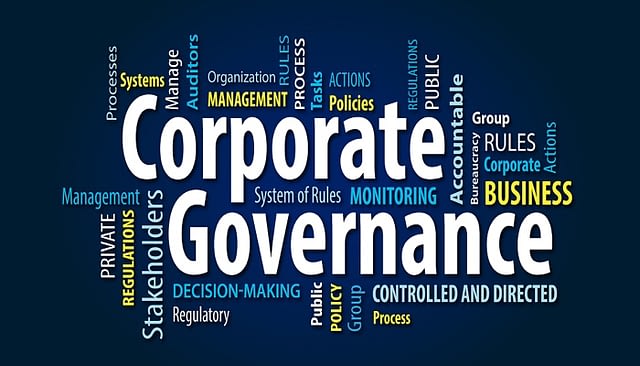
What are the primary sources of law, regulation and practice relating to corporate governance? Is it mandatory for listed companies to comply with listing rules or do they apply on a ‘comply or explain’ basis?
What are the primary sources of law, regulation and practice relating to corporate governance? Is it mandatory for listed companies to comply with listing rules or do they apply on a ‘comply or explain’ basis?

Nigeria is a signatory to the following significant air law treaties: • the Convention on International Interests in Mobile Equipment and the Protocol to the Convention on International Interests in Mobile Equipment on Matters specific to Aircraft Equipment (Cape Town, 2001);

What different types of private equity transactions occur in your jurisdiction? What structures are commonly used in private equity investments and acquisitions? Private equity (PE) transactions in Nigeria can generally be classified

What is the legal framework in your jurisdiction covering the behaviour of dominant firms? The Federal Competition and Consumer Protection Act 2018 (FCCPA), which in section 72(1) prohibits the abuse of a dominant position by one or more undertakings.

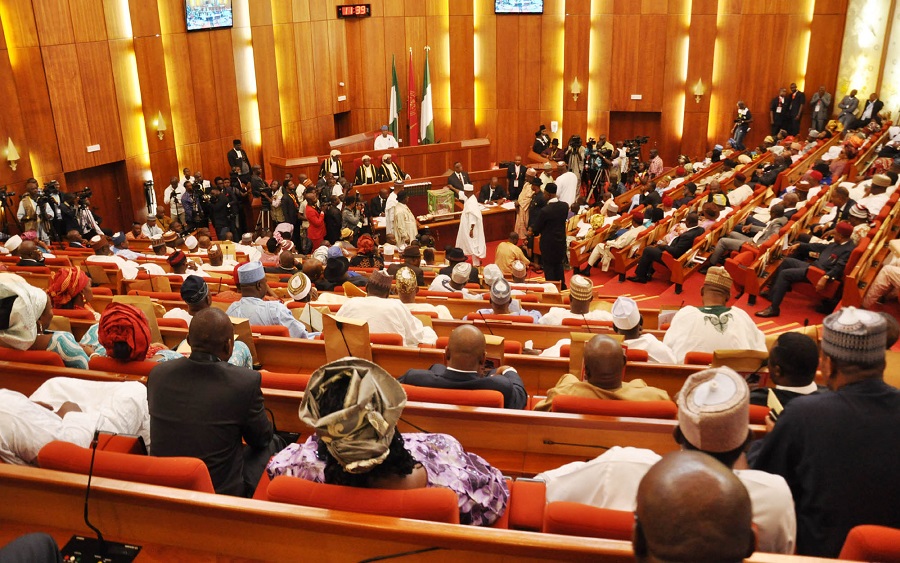
The bill seeks to transfer the subject matter of minimum wage prescription from the Exclusive Legislative List set out under Part I of the Second Schedule to the Concurrent Legislative List set out under Part II of the Second Schedule of the Constitution.

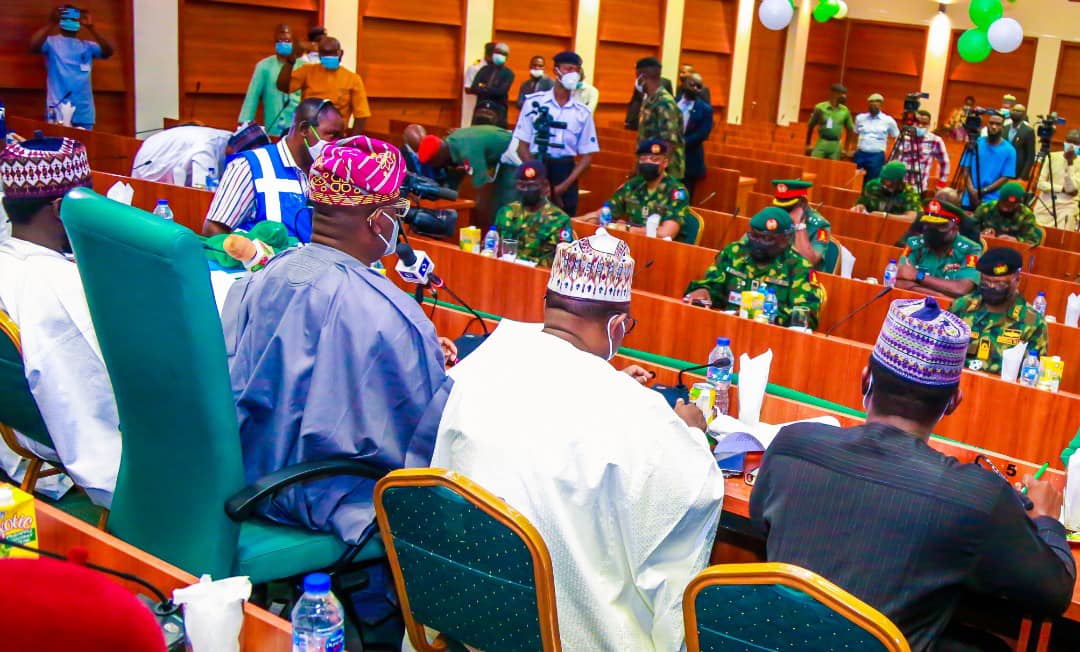
The bill seeks to make comprehensive provisions for the use and control of explosives in Nigeria. The Bill went through the Second reading and was referred to the Committee on National Securities and Intelligence.

The bill seeks to repeal and replace the existing Quarantine Act and aims to empower the Nigerian Centre for Disease Control (the “NCDC”), particularly the Director -General of the NCDC (the “D-G of the NCDC”) to take more proactive in preventing/responding to an infectious disease outbreak.
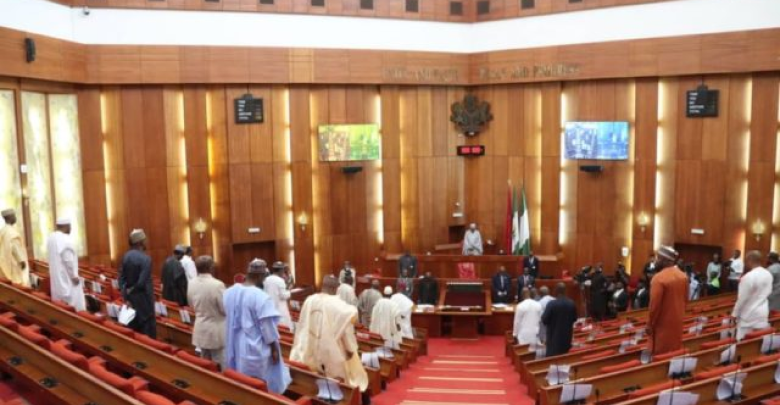
The bill seeks to authorize the issue of the total sum of ₦13,082,420,568,233 (Thirteen Trillion, Eighty-Two Billion, Four Hundred and Twenty Million, Five Hundred and Sixty-Eight Thousand, Two Hundred and Thirty-Three Naira) only from the Consolidated Revenue Fund of the Federation, of which:
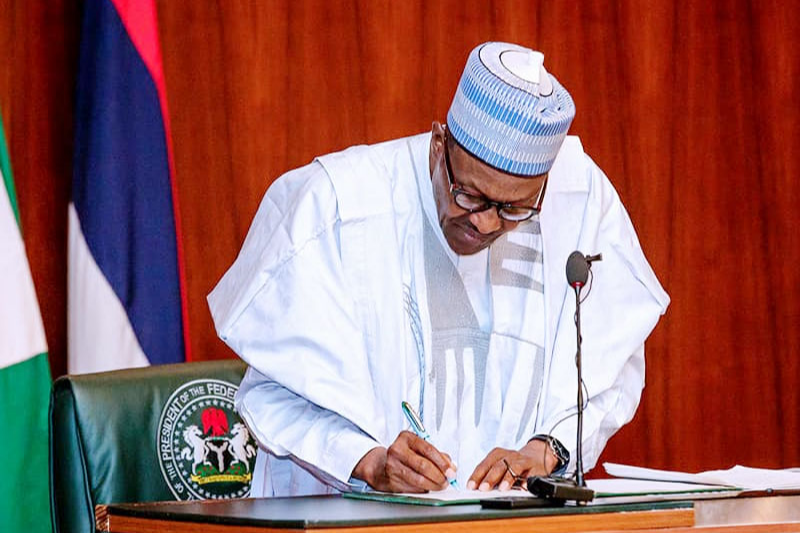
The Finance Bill, 2020, seeks to achieve the following outcomes

The bill seeks to allow creditor banks to track the account(s) of loan defaulters through their Bank Verification Number (BVN) and recover past and due obligation without recourse to the borrower. The bill empowers banks to deduct money from the account of loan defaulters.
Copyright © sskohn 2026 | Developed by Future Software Resources Ltd.
 852b Bishop Aboyade Cole St, Victoria Island, LagosBlock C Terrace 3, CT3, Lobito Crescent, Stallion Estate, Wuse II, Abuja77B Woji Road, GRA Phase II, Port Harcourtinfo@sskohn.com
PRACTICE AREAS
QUICK LINKS